
Analysis
The detail that changes the risk is not the agent's manners. It is whether the data boundary can refuse the call.
That's where the cases split.
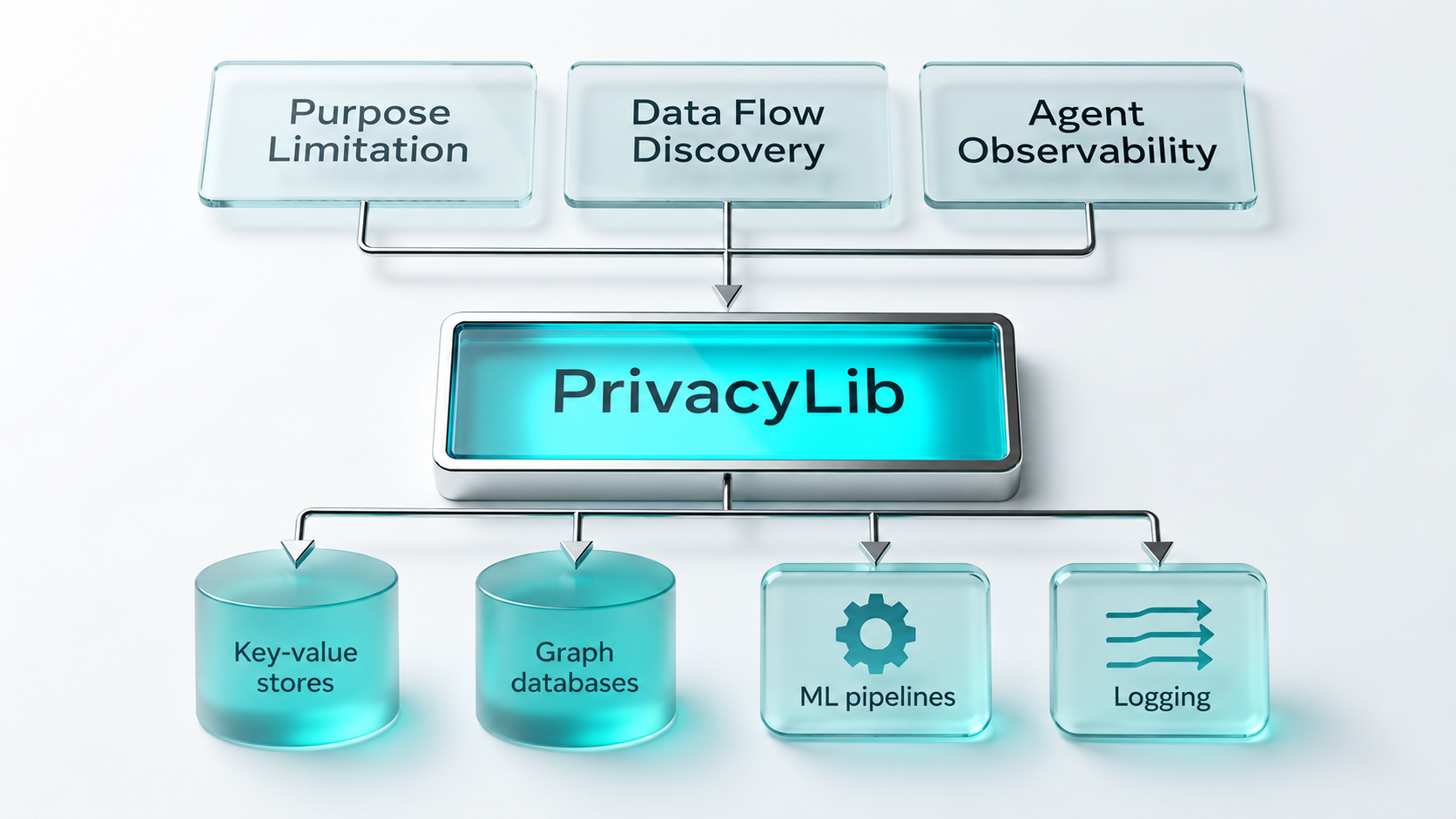
Meta's October 27 engineering account describes PrivacyLib, a common library embedded in clients that access its data and processing systems. An integration can serve several privacy modules, which reduces the need to rebuild controls for every new requirement. Some modules record access. Others can refuse it. Meta says the library performs billions of checks each second across its infrastructure. That figure is the company's own report.
For supported internal-agent paths, tool calls carry session context through services to the data boundary, where an enabled policy can block an operation. The configuration that matters is that arrival: the right context, still attached, and a policy switched on.
A careful assistant is not evidence the use stayed permitted. I'll admit the stronger test is duller: whether the eventual read or write was checked, with the right destination and context, even when the agent chose an unexpected tool.
Meta says paths outside its managed clients and supported RPC boundaries need their own integration. The account also describes simulations before annotation changes and staged module rollouts. Record which version is deployed, not merely that a library was once integrated.
Not established: complete protection across every data path. This is Meta's design account. Coverage is limited to integrated clients and supported paths, and the operational outcomes are self-reported.
Ask whoever runs the system three things. Which agent paths hit a check that can refuse the operation, and which only record it? Which version of that check is deployed now? What covers a path that never entered a managed client?
Source: PrivacyLib: Privacy Controls at the Data Access Boundary · 2026-10-27
Why it matters
The useful control is the check on the read or write, not the impression that the agent behaved.