
Analysis
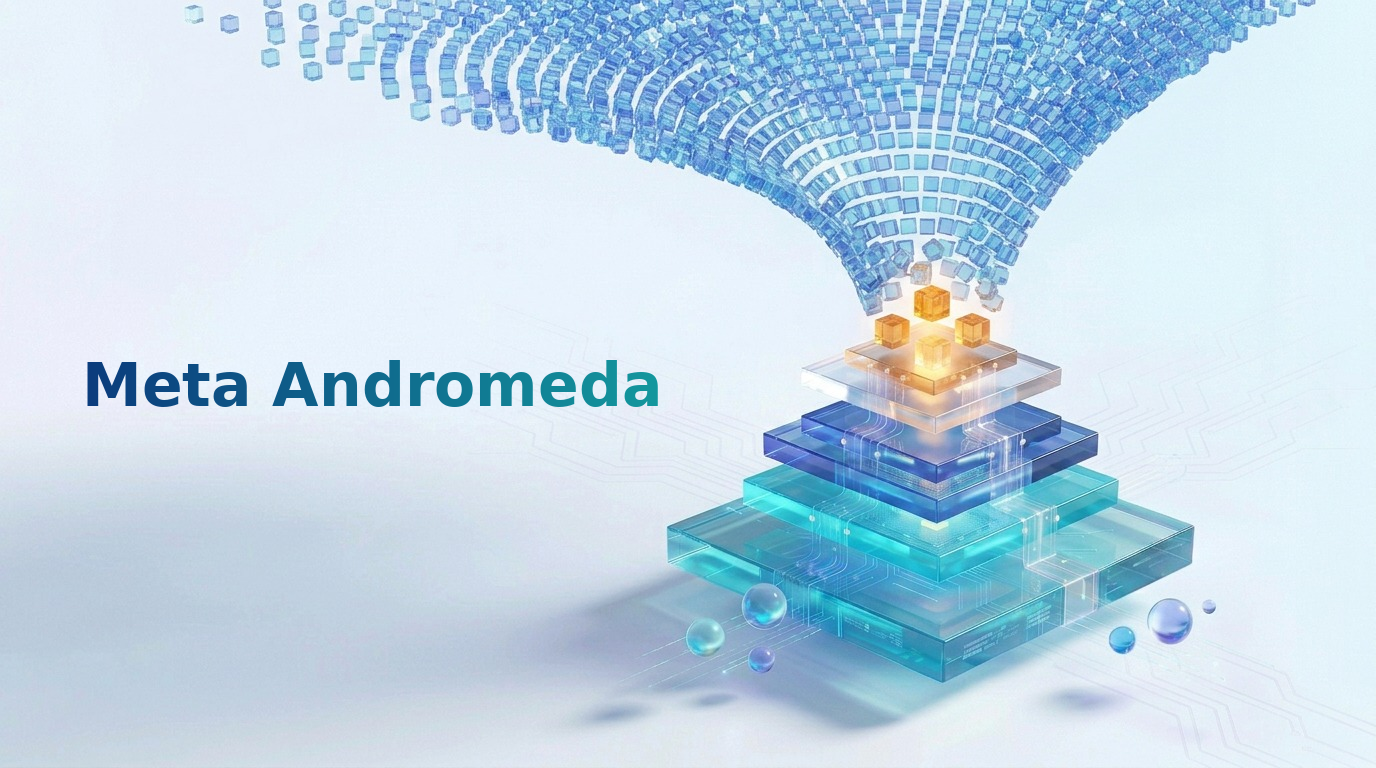
One GPU server. Above one billion ads per second, in production. That is Meta's own figure, from its October 28 engineering report on a new generation of Andromeda, the system that picks candidate ads for the later, more expensive ranking stages.
Now the condition. Meta also reports more than ten billion ads per second for the fused scoring kernel alone. The gap between the two numbers is the story. A kernel benchmark leaves out work a real request still needs: the other stages, the transfers, the latency limits. The lower production figure is the one closer to a working service, and even that is self-reported.
What changed is where the work happens. Meta describes pairing a mixture-of-experts model with a pipeline that runs index matching, scoring and final candidate selection together on the GPU. Keeping intermediate results next to the computation, it says, cuts memory and network traffic. The company also credits a collaboration with NVIDIA, covering faster kernels and system tuning. So this is a coordinated effort across model, software and hardware, not proof that the model change alone did the work.
I'll admit the design lesson is a good one: look at where data travels before assuming the next bottleneck needs more compute. That is an inference from the architecture, not a promise your own savings will follow. We have not reproduced Meta's measurements, checked costs or assessed ad relevance.
If you are sizing hardware for any search or recommendation job, borrow the discipline, not the number. Ask which stages, transfers and latency limits each figure covers. Then test your own workload on your own target machine, changing one condition at a time.
Source: Meta Andromeda: Powering the Next Generation of Ads Retrieval Through Model-System Co-Design · 2026-10-28
Why it matters
Throughput figures only help you plan hardware once you know which stages, transfers and latency limits they include.