
Analysis
What would show that capable software is genuinely helping people, rather than simply getting better at passing its own tests?
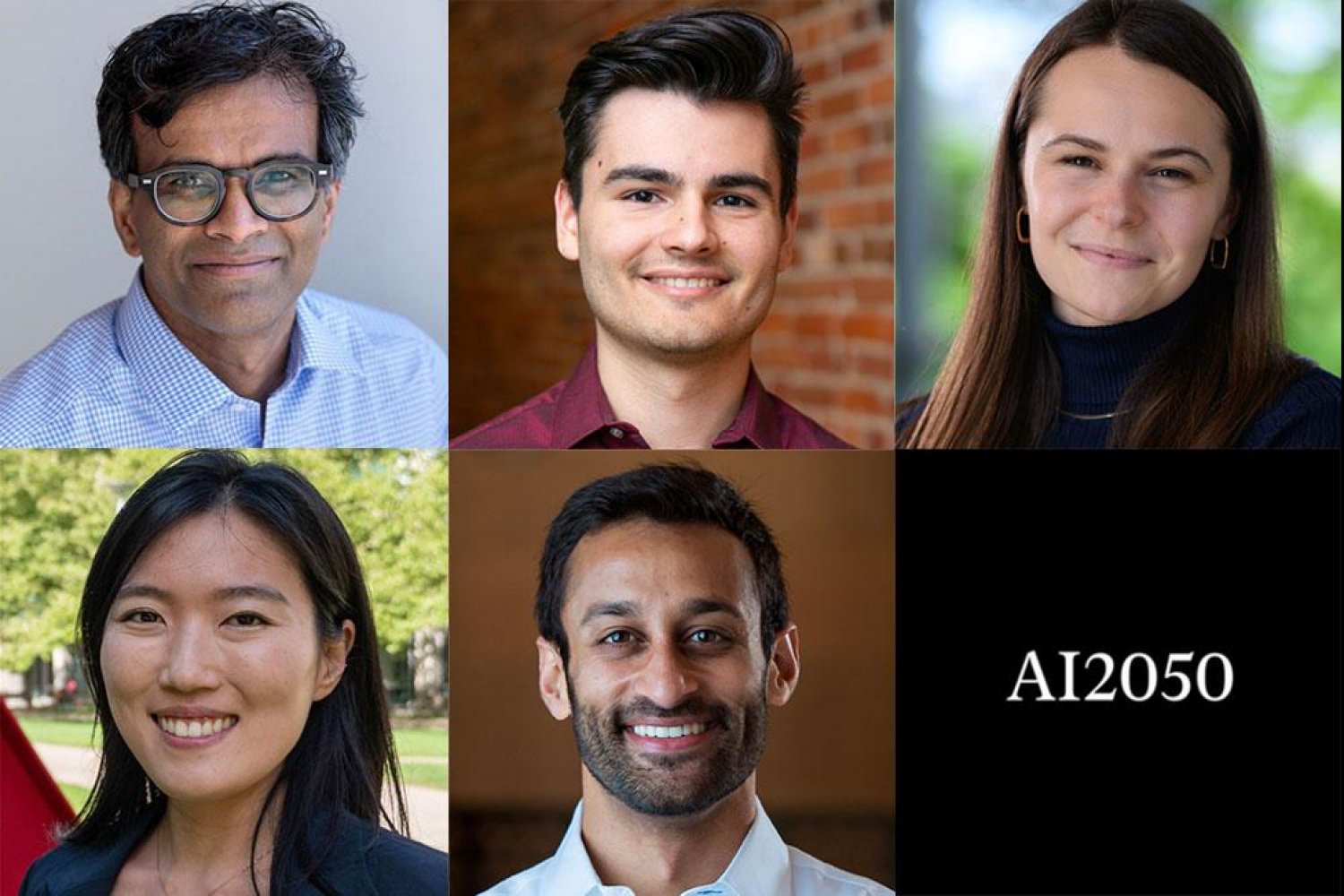
Five MIT faculty members have been named 2026 Schmidt Sciences AI2050 Fellows, MIT reported on October 30, under a programme asking researchers to pursue artificial intelligence that benefits society. Here is what that notice does not tell us: it offers brief project descriptions, not finished science. With no completed outcomes, independent impact evaluations or new experimental findings reported, nothing here generalises yet. An announcement date only marks when researchers won backing to look.
Still, the list supports one clear point now: beneficial AI splits into distinct questions, each needing its own test. In MIT's summaries, Alex Damian studies effective model training, Yunha Hwang investigates biological enzyme functions, and Sendhil Mullainathan explores how patterns spotted by AI become testable theories. Put plainly, those projects are research directions, not yet results.
The other two projects turn to society. MIT notes that Bailey Flanigan studies structured public input for lawmakers, while Manish Raghavan weighs positive and negative effects of widespread reliance on AI.
I'll admit it is refreshing to see all five questions together, because they resist collapsing into one leaderboard. Even so, funding only buys room to run the experiment. What is worth watching for next are any methods, limitations and results that emerge, including any that make an appealing idea look less straightforward.
Source: MIT affiliates named 2026 Schmidt Sciences AI2050 Fellows · 2026-10-30
Why it matters
For business operators evaluating AI claims, this fellowship slate is a reminder to wait for the methods, limitations and results that eventually emerge rather than trusting an announcement or a single headline score.