

Analysis
When researchers ask an observatory in plain English to steer instruments and sift incoming sensor data, what keeps a catch scientifically useful? The real question is whether faster control still leaves an observation another scientist can reconstruct.
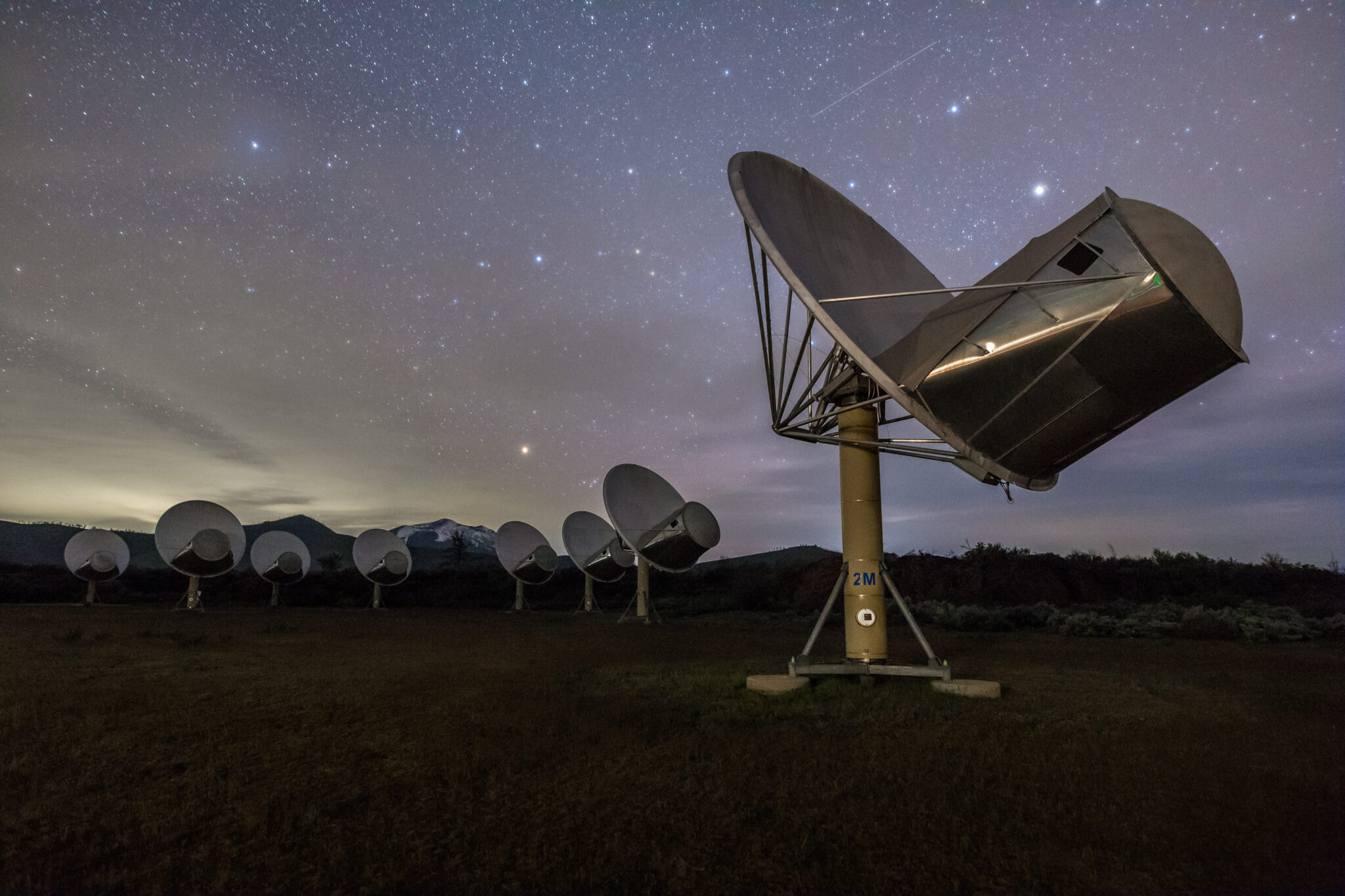
In plain terms, one software layer streams sensor data to fast processors while another keeps instrument and pipeline state visible, letting researchers and agents coordinate controls and signal processing through natural-language requests. In an October 30 blog post, NVIDIA reported that Breakthrough Listen and the SETI Institute are bringing this agentic AI setup to the Allen Telescope Array, with Holoscan feeding GPU processing and the Nexus orchestration layer surfacing state. The post cited 2.4 terabits per second of throughput and a real-time AI detection of the Crab Nebula's pulsar.
A real-time pulsar detection alongside that throughput is neat engineering, and here is what it does not tell us. Pulsars are natural astronomical sources, not alien signals, and the post neither claims an extraterrestrial discovery nor suggests one is near. Neither the throughput nor the detection has been independently reproduced, so today's evidence is an unverified company milestone on one natural target.
Automation helps teams examine more data on a practical budget, which is why I find Nexus exposing state the smartest detail. Convenience backfires if an agent modifies a pipeline and obscures how a candidate signal connects to calibration, instrument state, processing choices and the original question.
Earning real scientific trust will take independent replication alongside documented, repeated runs across known sources and tough interference, measuring what the pipeline misses and what it mistakenly flags while ruling out ordinary explanations.
Source: Things That Go Beep in the Night: Agentic AI Joins the Search for Extraterrestrial Signals · 2026-10-30
Why it matters
Letting software agents steer high-speed research pipelines is only useful when every automated adjustment stays traceable and tested against ordinary false alarms.