Silver Owl JournalAnalysis & editions
Independent thinking. Practical technology.Daily Edition
Silver OwlNews, analysis & illustrated stories

Silver Owl Journal

The signals. The systems. The only AI and technology journal you need.

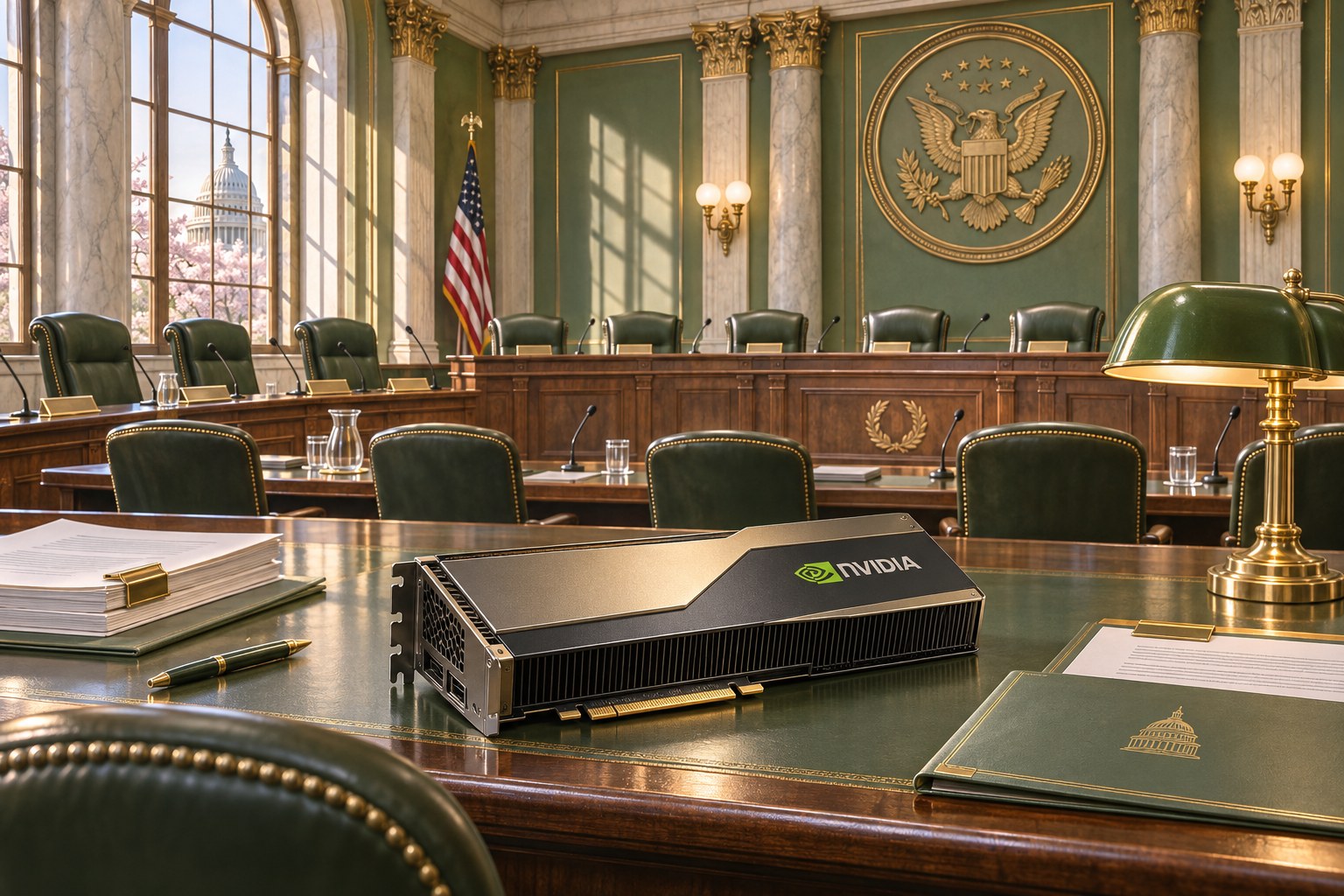
AI-generated image: An empty Washington hearing chamber with an NVIDIA-branded chip in the foreground.

Analysis Quality & Governance

When the lobbyist loses the room, who writes the rule?

Politico reports Nvidia's hand is weaker as it tries to block new curbs on AI chips. A weaker opponent does not make a rule more precise.

November 11 edition

Why it matters. A tougher draft is not automatically a more precise one, and imprecise chip rules land on buyers who never chose the chip.

Read in the Journal ↗
AI-generated image: Two differently locked enclosures around matching modules marked Anthropic.

Analysis Models & Platforms

Same model, two locks. Which one did you buy?

MarkTechPost reports Anthropic released Claude Fable 5.2 and Mythos 5.2 as one model with two safeguard levels. The choice is a policy, not a set of weights.

November 11 edition

Why it matters. When two product names share one model, the benchmark describes both and the buyer is choosing a policy: what is refused, what is logged, who qualifies.

Read in the Journal ↗

More from the desk

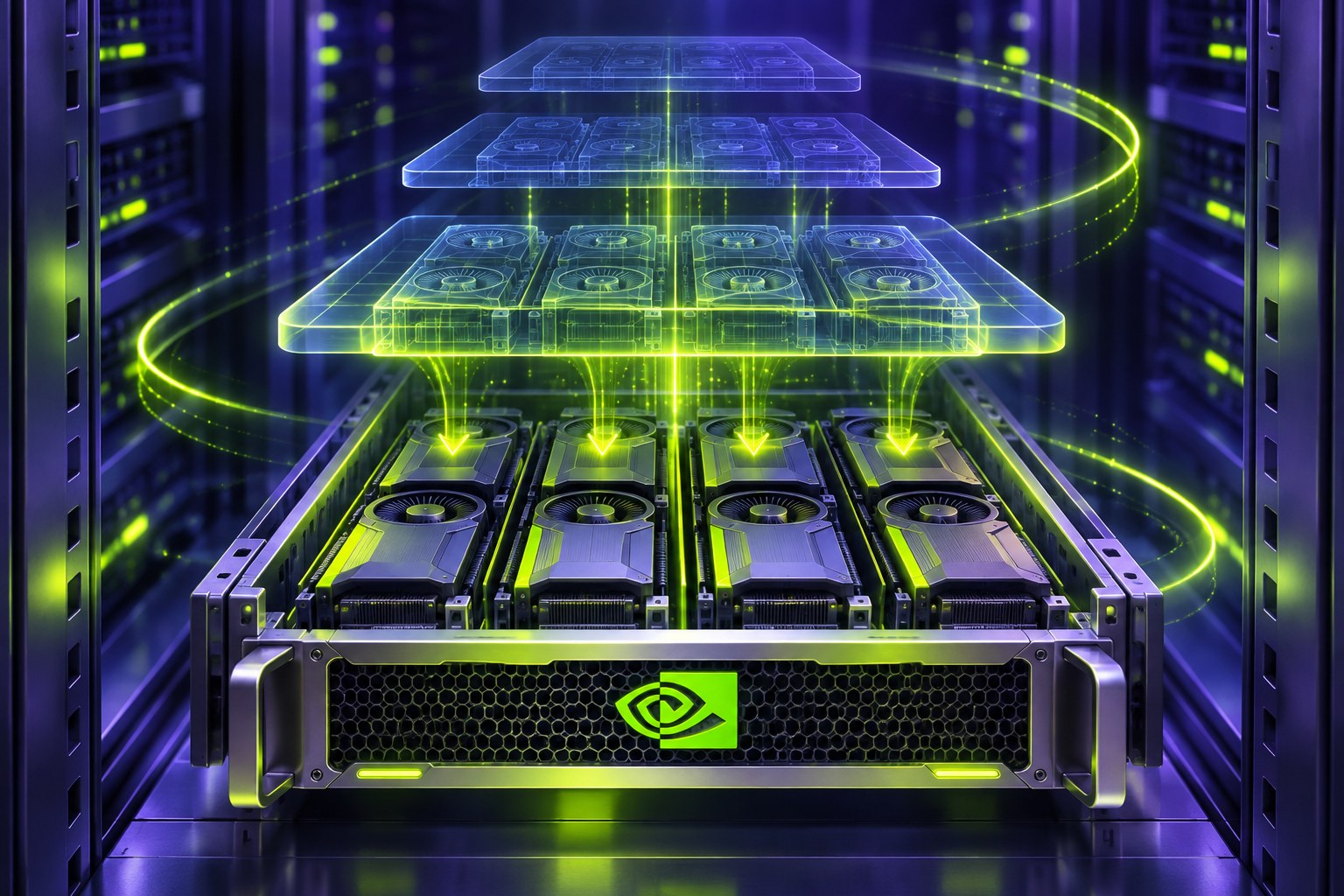
AI-generated image: An NVIDIA server tray beside a translucent snapshot of the same tray.

Analysis Hardware & Infrastructure

The slowest part of a GPU job is often the part before it starts

NVIDIA introduces Snapshot, an open-source component that makes initialized GPU workloads reusable. 'Seconds' comes with conditions the title doesn't carry.

November 11 edition

Why it matters. Restoring an initialized workload is a storage and memory-movement job, so the answer depends on the disk and the link as much as the GPU.

Read in the Journal ↗
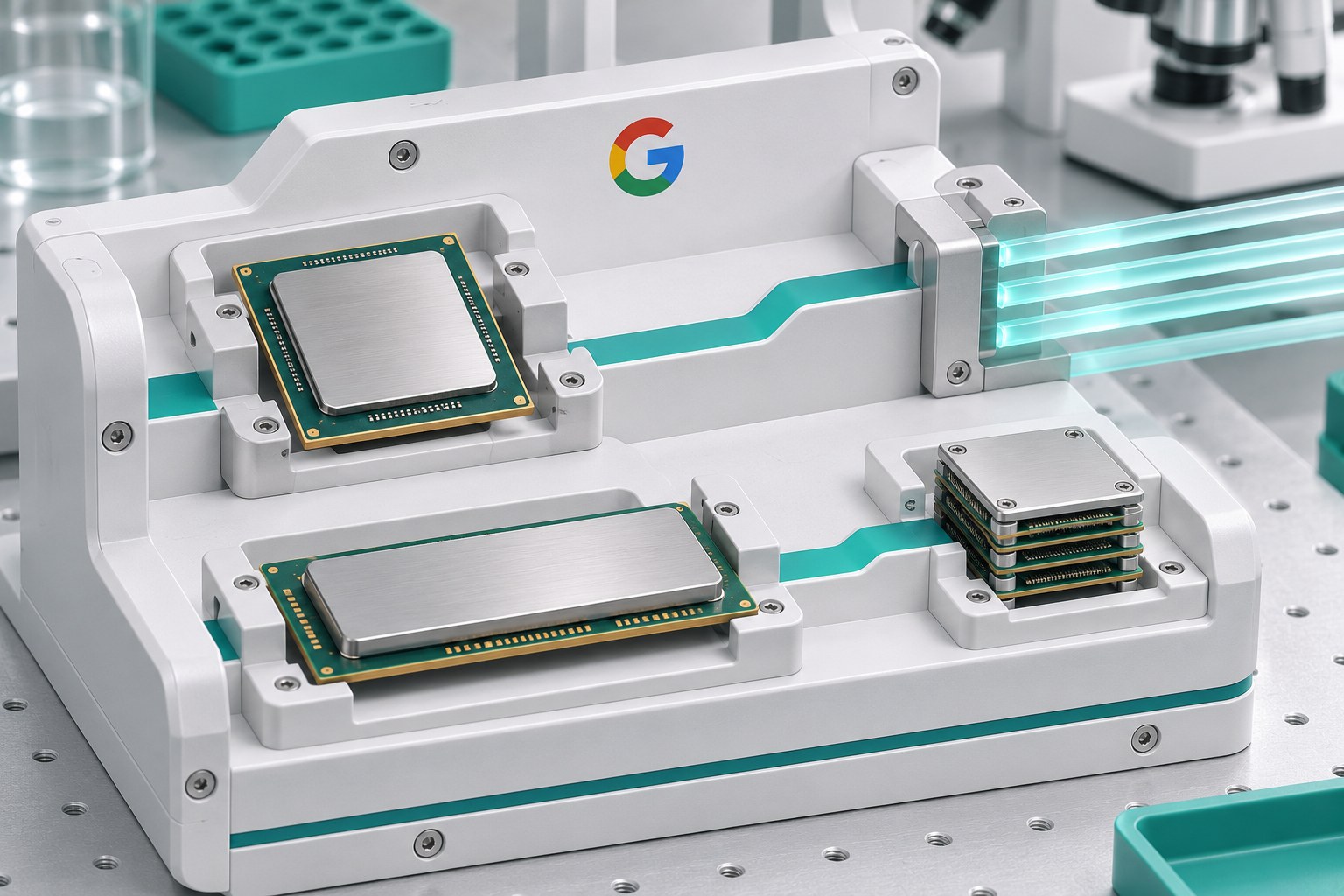
AI-generated image: Two different accelerator packages on a Google-branded test fixture.

Analysis Hardware & Infrastructure

Two new chips, two jobs. Read the job descriptions.

TechCrunch reports Google added two specialized TPUs: one for confidential model training, one for more memory capacity.

November 11 edition

Why it matters. A memory-first chip admits some jobs simply don't fit; 'confidential' is a claim about a whole installation, of which the chip is one component.

Read in the Journal ↗
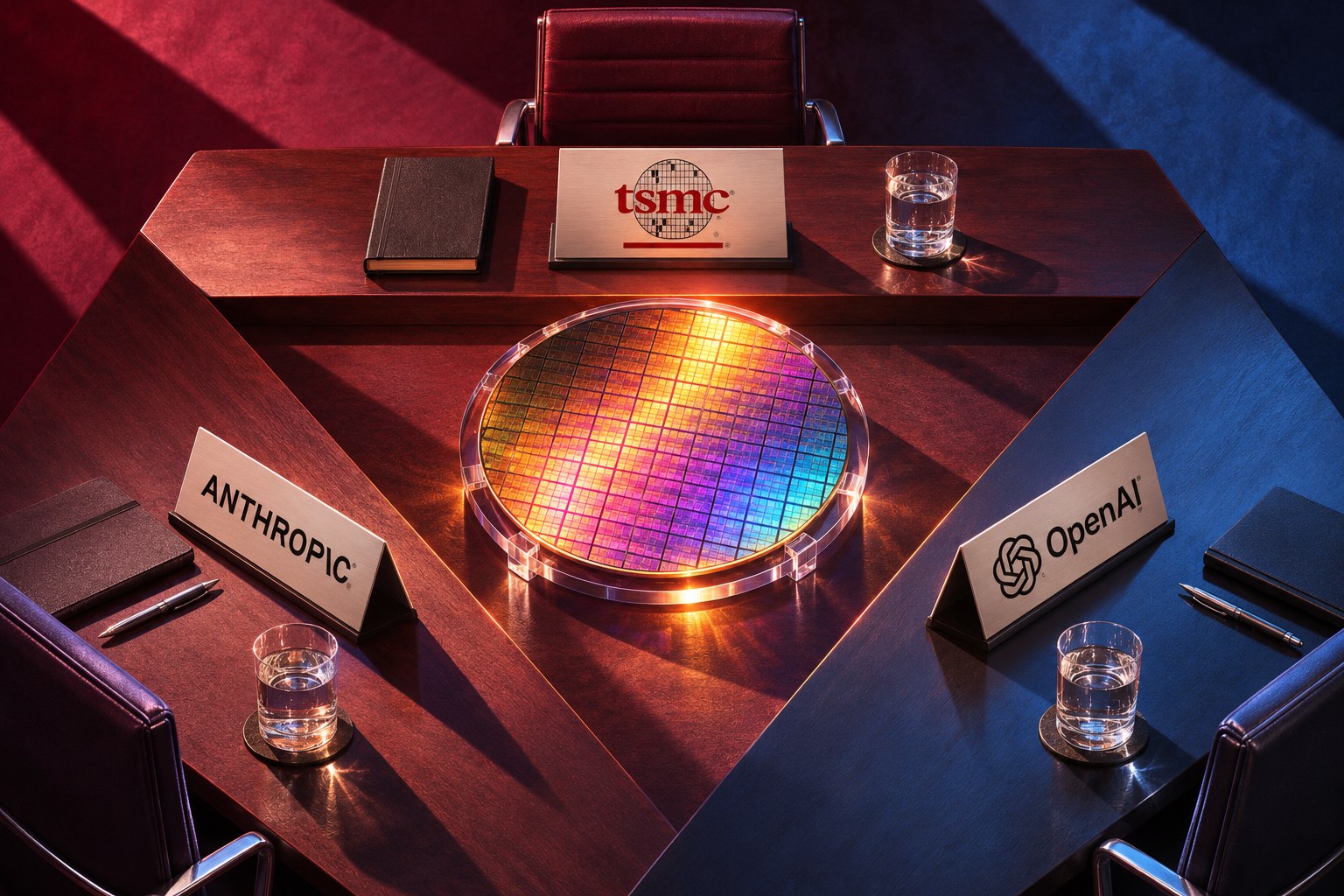
AI-generated image: A wafer and a shared desk with TSMC, Anthropic and OpenAI identity marks.

Analysis AI & Business

The foundry buys a seat at its customers' customers

The Wall Street Journal reports TSMC approved an investment plan of up to $1 billion in Anthropic and OpenAI. Approved is not bought, and 'up to' is a ceiling.

November 11 edition

Why it matters. A supplier's stake in its customers' customers is the same bet placed twice. What it most plausibly buys is a clearer view of demand.

Read in the Journal ↗
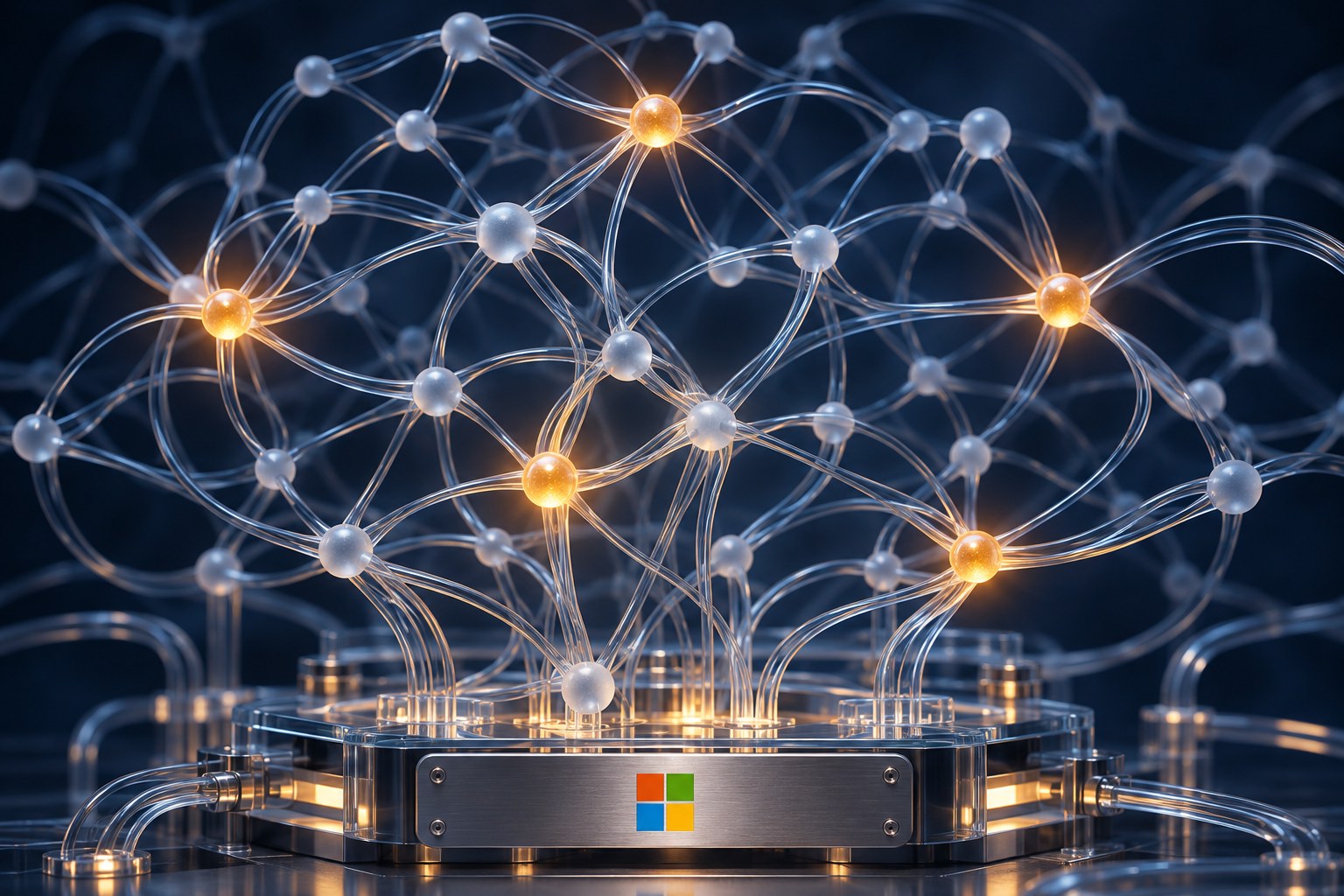
AI-generated image: A sparse cluster of lit points inside a model network diagram.

Analysis Security & Data

Fewer than ten neurons

Microsoft Research describes how an agent model could be turned into a sleeper agent by editing fewer than ten neurons, and how to detect it.

November 11 edition

Why it matters. An edit that small won't show in a benchmark. The attacker's first move is an old one: getting a modified file in front of you under a familiar name.

Read in the Journal ↗
AI-generated image: A fictional researcher observing successive projected scenes of a tabletop world.

Analysis Models & Platforms

What would show a world model knows what happens next?

MarkTechPost reports MBZUAI's Institute of Foundation Models released PAN 2, an open world model pairing an LLM planner with a 29B diffusion transformer.

November 11 edition

Why it matters. Twenty seconds of plausible video is not twenty seconds of correct physics. The evidence would be predicted outcomes scored against what physically happened.

Read in the Journal ↗

Three things to take away

When the lobbyist loses the room, who writes the rule?

A tougher draft is not automatically a more precise one, and imprecise chip rules land on buyers who never chose the chip.

Same model, two locks. Which one did you buy?

When two product names share one model, the benchmark describes both and the buyer is choosing a policy: what is refused, what is logged, who qualifies.

The slowest part of a GPU job is often the part before it starts

Restoring an initialized workload is a storage and memory-movement job, so the answer depends on the disk and the link as much as the GPU.

This edition's editorial copy

Nell Ward, Jules Mercer, Kit Rowan, Theo Park, Mira Vale, Ada Reed

The source desk

Sources and coverage

Read the sources and coverage limits

Seven source-grounded analyses selected for November 11 (late catch-up, owner-directed auto-selection).

Source publication dates and evidence limits accompany the articles.

Seven story illustrations accompany this edition.

Editorial concept illustration of an open newspaper, a magnifying glass and collage fragments.
Editorial concept illustration · the Journal source desk.

In this edition

Explore the topics

AI & Business · Hardware & Infrastructure · Security & Data · Quality & Governance · Models & Platforms

Selection policy and publication record

Priority goes to a concrete change: a release, an operational risk, an agreement or a research result with inspectable evidence. A company name alone is not enough. Reported financing, exploratory talks and vendor claims retain those labels.

A dated record

This edition preserves its publication date and original source attribution. Later corrections are dated within the articles. Website publication and email delivery are separate.

Browse the dated editions ↗

Seven stories selected for this dated edition. Source attribution accompanies each analysis. Silver Owl is responsible for publication review and corrections.

Join our newsletter ↗